The Venue
The Chapel of the Holy Apostles, located just outside Ormylia, has long been a treasured site deeply woven into local faith, history, and folklore. While the exact date of construction of the original chapel is not documented, local tradition and architectural style suggest it may have been built several centuries ago, likely between the 16th and 18th centuries. This aligns with records from the region indicating a rise in rural chapel building during the late Byzantine and Ottoman periods.
The Wedding Reception "Glenti"
For many of our guests, this will be a first experience of a traditional Greek wedding. While the spirit of joy and celebration is the same as in Western weddings, there are some unique customs and differences you can expect.
Length of the Celebration
Unlike most Western weddings where the evening winds down after a few hours, Greek weddings are known for lasting well into the night. Dancing and music often continue into the early hours, with everyone encouraged to take part.
The First Dance
The bride and groom will begin the first dance together. It is customary for the Koumpari and the couple’s parents to join in before the rest of the guests. From there, the dance grows into a circle, with family and friends linking hands, eventually drawing in everyone.
Music and Dancing
Guests can expect a mixture of traditional Greek circle dances and Western music. The evening will be a blend of old and new, where traditional customs meet modern celebration, ensuring there is something for everyone to enjoy.
Food and Drink
Food plays a central role. Instead of a set three-course meal, guests can expect a continuous, communal style of dining. Platters of meat, salads, breads, and meze are shared across the tables, with wine flowing freely throughout the night.
**Please email us for any dietary requirements including allergies.
Community Atmosphere
Greek weddings are less formal and more communal in nature. The atmosphere is lively, warm, and welcoming.
Dancing for All
The highlight of the evening is the dancing. Don’t worry if you don’t know the steps – locals will be delighted to guide you into the circle. Participation is encouraged, and joining the dance is one of the best ways to experience the joy of a Greek wedding.
A Timeless Venue for Our Special Day
Historically, such chapels served as vital religious and social centres for scattered rural populations, offering a place for communal worship and festivals that strengthened village identity. The chapel’s proximity to a natural spring is significant; in Greek Orthodox tradition, springs and water sources often symbolise purification and divine blessing, and many sacred wells are linked to saints or miracles.
Local folklore tells that every year, on the eve of the feast of the Holy Apostles (29th of June), a doe would come down to drink from the spring beside the chapel. Villagers saw this visit as a sacred sign and blessing from the Apostles themselves. It was customary for the villagers to catch the doe and prepare a meal from its meat, which they would then share generously with pilgrims attending the feast. This ritual exemplified the intertwining of faith, nature, and communal generosity that characterised rural life.
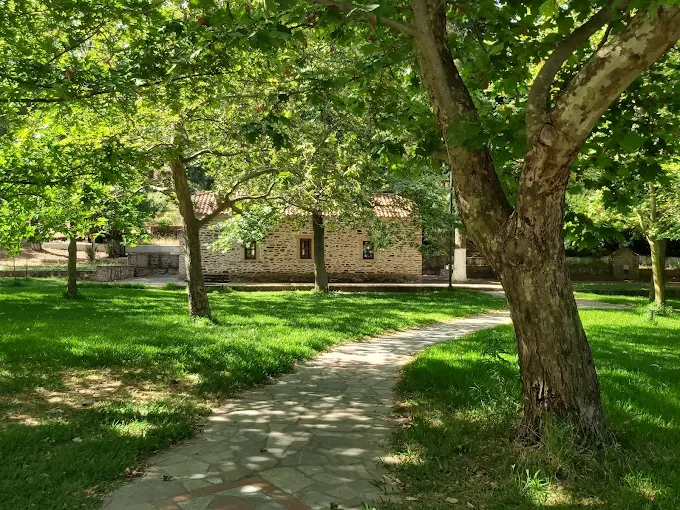
One year, however, the doe arrived late and was caught before she could drink from the spring. Following this event, the doe never returned, and, out of respect and remorse, the villagers ceased the tradition of serving deer meat at the festival. To this day, wild deer are still seen roaming the woods around the chapel, embodying the living memory of this legend and the community’s enduring bond with the natural world.
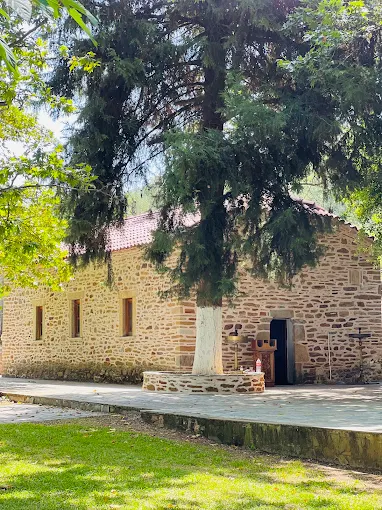
The original chapel was destroyed by fire, an event remembered in oral histories as a moment of sorrow for the villagers. In 1859, the chapel was rebuilt on the same site. Historical documents from the Ormylia archives describe the rebuilding as a community effort, with many villagers contributing funds, labour, and materials. The sacred spring was preserved and incorporated as a well inside the new chapel, continuing its role as a source of holy water. Pilgrims have since drawn from this well to bless their homes and stables, a practice still observed today.
The feast of the Holy Apostles became one of the most significant annual events for Ormylia’s residents. Following the harvest and prior to the threshing season, the community would pause work for two days dedicated to rest, worship, and celebration. Twelve local men, known as Oikonomades (caretakers), were entrusted with organising the festival. These men were among the most distinguished and respected in the village, often landowners or prominent figures, who pledged their service to the Apostles. According to village records and oral tradition, their duties included collecting donations of money and oil from villagers and neighbouring communities, preparing the chapel by cleaning and whitewashing, and arranging the feast.
On the day of the festival, twelve large cauldrons—symbolic of the Twelve Apostles—were used to cook goat meat, a tradition still upheld. Early morning saw crowds arriving on carts and donkeys, laying blankets under the shade of the ancient plane trees surrounding the chapel. After the church service, food and wine were distributed generously among all present. The celebrations would continue with music and dancing performed by local musicians, who played without charge as a gift to the community. The first dancer traditionally offered coins in gratitude for having their favourite tune played, a custom recorded in village accounts dating back over a century.
Today
Today, the festival and its traditions remain vibrant, continuing to unite the community in faith, gratitude, and hospitality. It is with special permission—and profound respect for this cherished heritage—that we are honoured to hold our wedding reception beside the chapel, surrounded by centuries of history and the enduring spirit of Ormylia.